מדוע 10 הדגנים והאגוזים הצמחיים האלה בריאים לנו
עד כמה אתה מכיר את הצמחים האלה דגנים ואגוזים?
גרעינים, אגוזים ודגנים מהווים תוסף תזונה חשוב לדרישה היומיומית שלנו למינרלים, שומנים וויטמינים. האגוזים במיוחד הם מתנה מהטבע לליבנו. השומנים הבריאים שהוא מכיל מגנים על אנשים ממחלות לב. במאמר הבא, נדון אילו מבין עשרת הצמחים הבריאים הטובים ביותר הם דגנים ואגוזים ומדוע עלינו לאכול אותם מדי יום..
עד כמה גרעיני הצמח חשובים לבריאותנו?
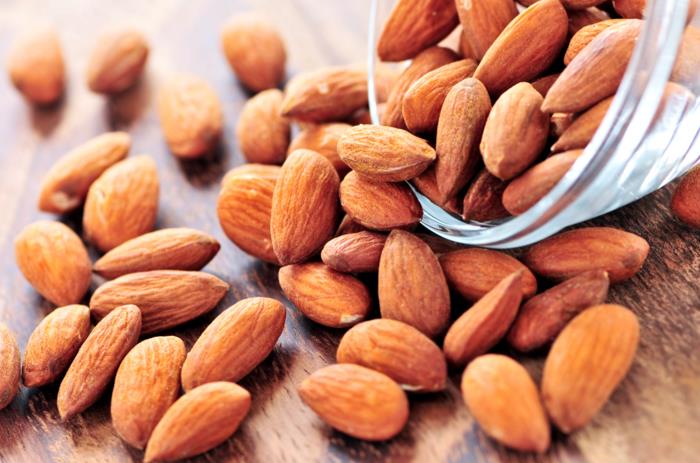
 שקדים
שקדים
שקדים יכולים להוריד כולסטרול, לשפר את זרימת הדם ולשפר את ביצועי הלב והמוח. בנוסף, השקדים מחזקים את העצמות, מפחיתים את הסיכון לסוכרת מסוג 2 ונלחמים בהצלחה בעצירות. כתוסף תזונה, הם מספקים לגוף ויטמין E, סלניום ושומנים פשוטים בלתי רוויים.
שקדים גולמיים או קלויים מאוד בריאים לנו בכמויות קטנות
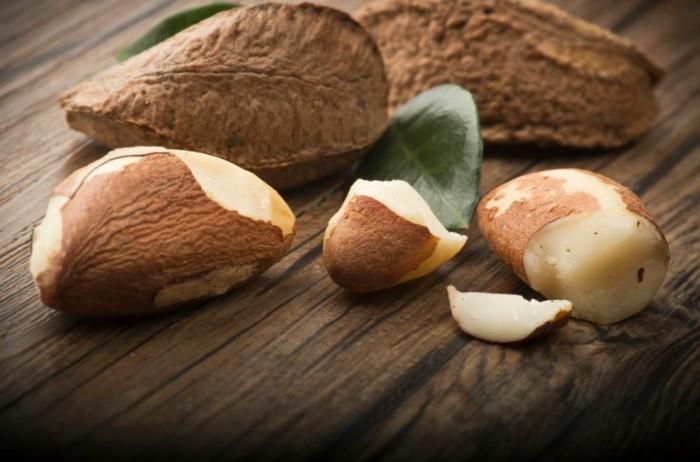
אגוזי ברזיל
אגוזי ברזיל הם המניעה הטבעית של סרטן, מגנים מפני שחמת הכבד, מחלות לב ומונעים הזדקנות מוקדמת. תרופה טבעית וטובה לאנמיה.
פ.ערמונים טובים לאנמיה
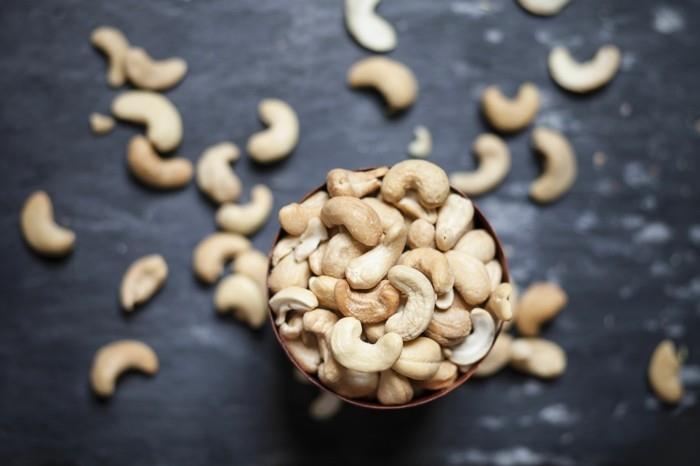
 קשיו
קשיו
החומרים המזינים השונים באגוזי הקשיו הם מקור אנרגיה טוב וגם מגינים על הלב ממחלות קשות. קשיו עוזרים מאוד גם ל- PMS ושומרים על בריאות העיניים, השיער והעור.
לב בריא עם קשיו
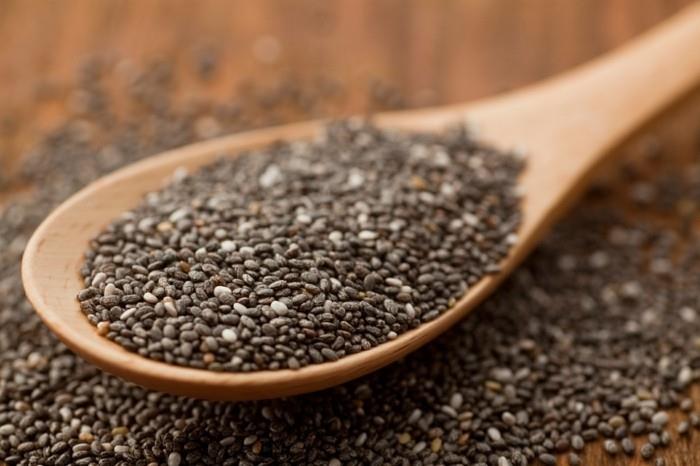
זרעי צ’יה
צריכת זרעי צ’יה יכולה להפחית כאבי מפרקים ולווסת את חילוף החומרים. זרעי צ’יה תומכים בירידה במשקל ומחיים את המוח והגוף. הזרעים יכולים לשמש היטב לדיכאון
צ’יה מחייה
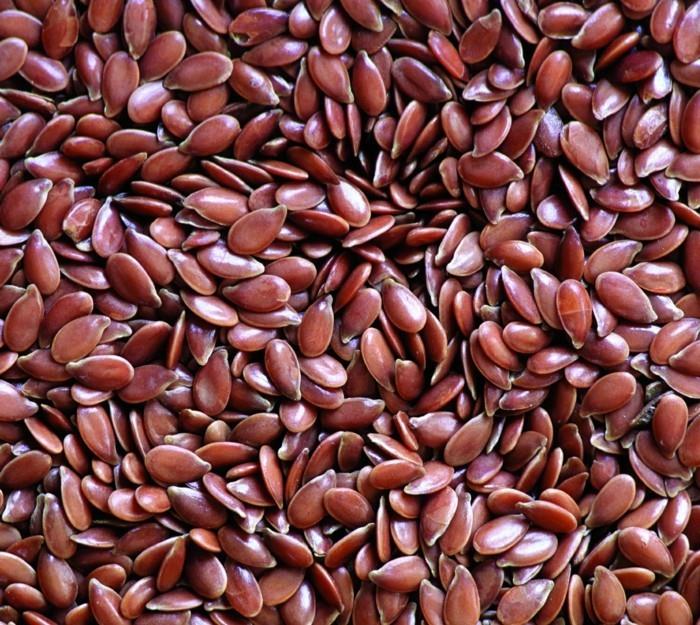
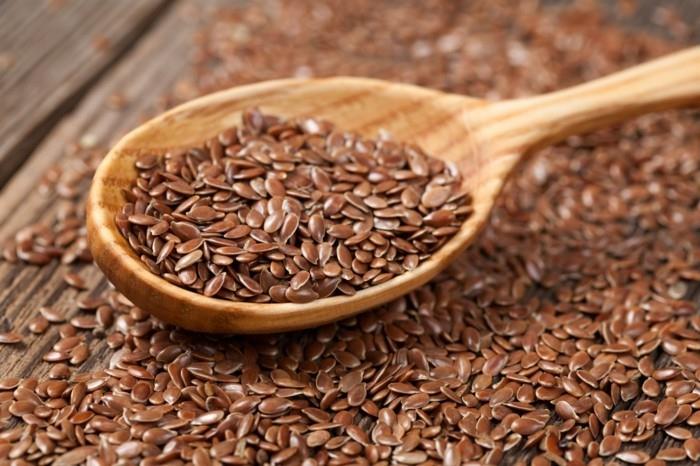
 זֶרַע פִּישׁתִים
זרעי פשתן משפרים את חילוף החומרים ועוזרים כאשר אתה רוצה להוריד כמה קילוגרמים. רמת הכולסטרול תהיה ייחודית וה- PMS יוקל. אם יש לך בעיות ברמות הסוכר בדם, אלה מוסדרים על ידי בליעת זרעי פשתן. אתה יכול לצרוך זרעי פשתן כמניעה נגד סרטן.
עיכול ומועיל כנגד PMS
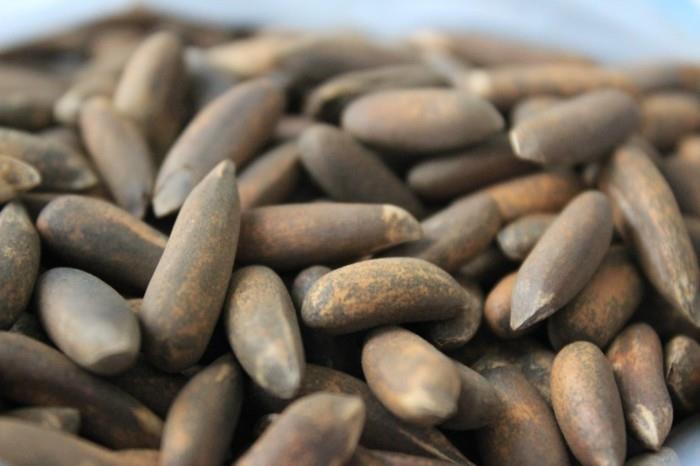
 צנוברים
הרדיקלים החופשיים בגוף נלחמים על ידי חומרים מזינים הכלולים בצנוברים. הצנוברים מעוררים את התיאבון ובעלי השפעה מחייה.
בישול עם צנוברים הופך את האכילה לבריאה עוד יותר
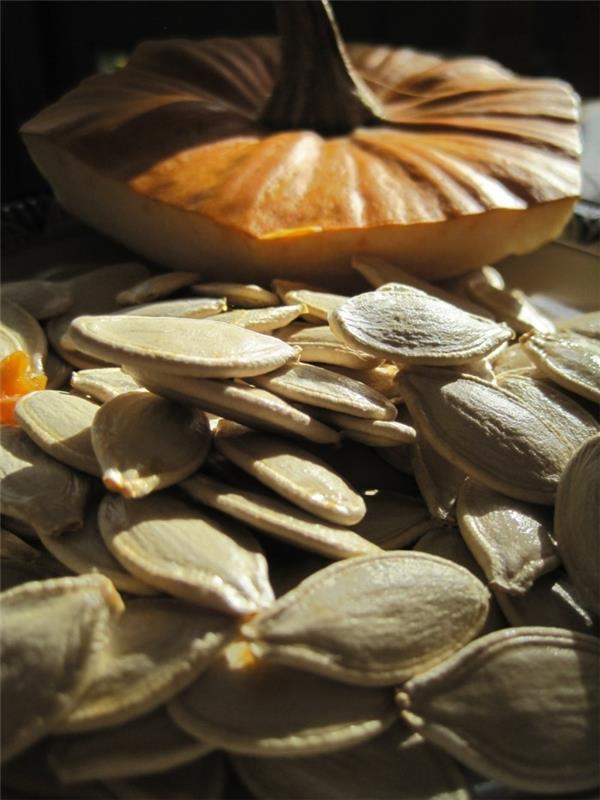
 זרעי דלעת
זרעי דלעת בדרך כלל מחזקים את המערכת החיסונית, מווסתים את רמות הסוכר בדם, מורידים את רמות הכולסטרול, שומרים על בריאות הלב והערמונית ומונעים התפתחות של סוגים מסוימים של סרטן.
טוב ללב ולערמונית
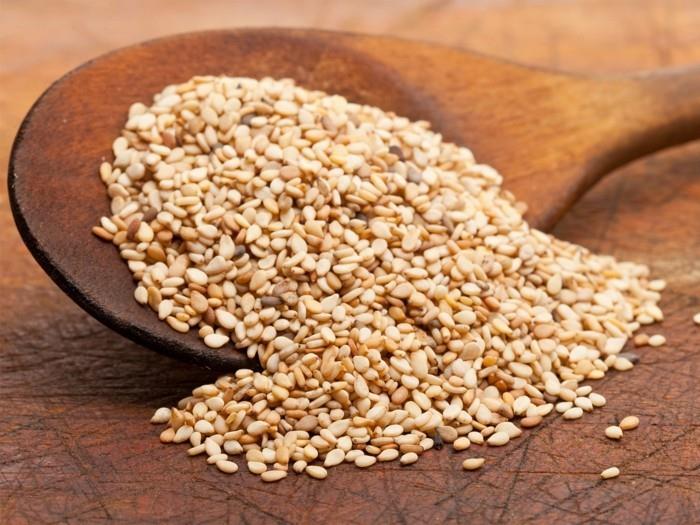
 שׂוּמשׂוּם
זרעי שומשום יכולים להוריד את לחץ הדם, לחזק את העצמות ולהקל על PMS. הם גם תומכים בבריאות הכבד ויכולים להפחית את תסמיני המיגרנה.
זרעי שומשום טובים לשיער, לעור ולציפורניים
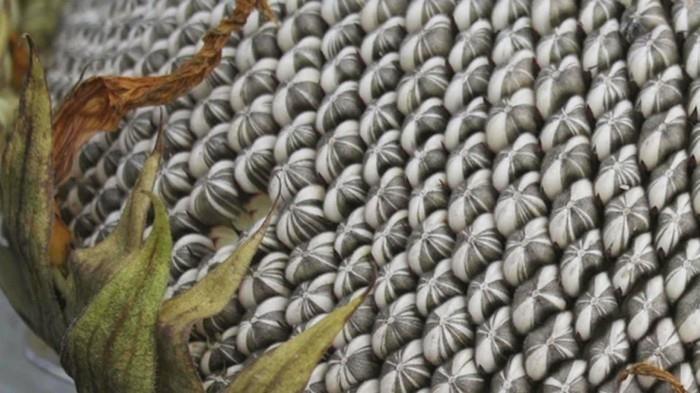
 זרעי חמניות
גרעיני חמניות טובים ללב, מפחיתים תסמיני אסתמה, מרגיעים עצבים ומפחיתים כאבים בדלקת פרקים.
מזון העצבים דווקא מרגיע את העצבים
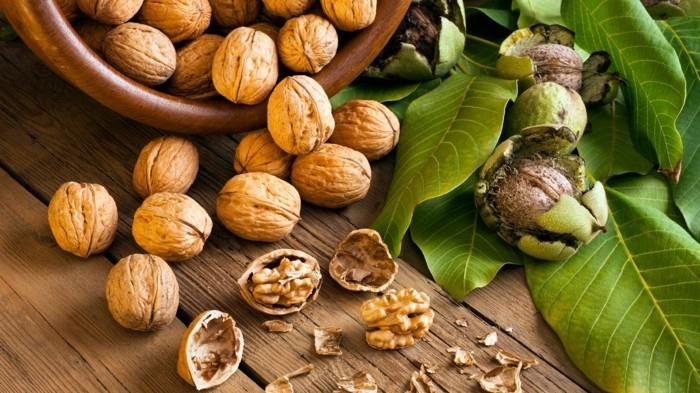
אֱגוזי מלך
צריכה קבועה של אגוזי מלך מפחיתה את הסיכוי לחלות בסרטן השד או הערמונית ומורידה את לחץ הדם. אגוזי מלך טובים מאוד לעור ולשיער, ומגבירים את ביצועי המוח.
כוח המוח מוגבר והגנה מפני סרטן על ידי אגוזי מלך